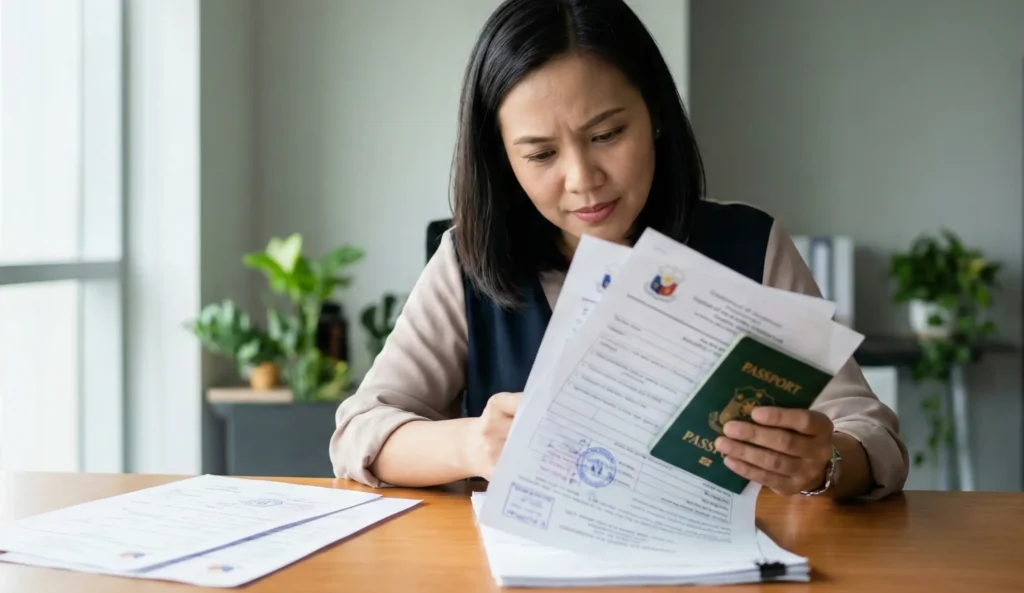
The Role of Editors and Reviewers in Translation Quality Control
Rochelle H., Marketing & SEO Associate
January 23, 2026
Total Feedback Counter
0
25
When we think about professional translation, most people imagine a single translator working carefully to convert a document from one language to another.
But in reality, translation—especially for official documents—is rarely a one-person job. Behind every high-quality translation is a multi-step process, and one of the most essential components of that process is quality control, led by editors and reviewers. Certified translations are often submitted to embassies, schools, or government agencies, where accuracy isn’t just appreciated—it’s expected.
Any mistake, no matter how small, can delay an application or result in outright rejection. That’s why translation agencies like Lexcode invest in a thorough editing and reviewing process to ensure accuracy, clarity, and compliance with required standards.
What is the Difference Between Editing and Reviewing?
While editing and reviewing are both part of the quality control phase, they focus on different things: Editing involves checking the document for grammar, punctuation, spelling, and sentence structure. Editors focus on ensuring the target language is clean, consistent, and natural-sounding.
Reviewing goes deeper, checking whether the meaning of the source document is fully and correctly conveyed. Reviewers compare the original text and the translation to catch omissions, mistranslations, or added content.
Why a Second Set of Eyes Matters What is the Difference Between Editing and Reviewing?
Even highly skilled translators can overlook minor errors or misinterpret difficult phrases, especially when working on dense legal or technical content. Editors and reviewers bring fresh eyes and a layer of objectivity, helping spot inconsistencies or miscommunications that a single translator might miss.
These roles are particularly crucial in certified translations, where clients often submit documents like:
Birth certificates
Marriage contracts
Police clearances (e.g., NBI clearance)
Academic transcripts
Employment records
In these cases, accuracy isn’t optional—it’s essential. A single mistake in a name, date, or technical term can lead to costly setbacks.
Key Responsibilities of Editors and Reviewers What is the Difference Between Editing and Reviewing?
Ensuring Consistency: Making sure terminology is used uniformly throughout the document.
Verifying Accuracy: Confirming that the message of the original document is maintained without omission or exaggeration.
Formatting: Ensuring the layout of the translated document mirrors the original for easy reference.
Compliance: Verifying that the translation meets the standards required by embassies, schools, or immigration offices.
The Lexcode Approach Key Responsibilities of Editors and Reviewers What is the Difference Between Editing and Reviewing?
At Lexcode, editors and reviewers are trained to handle different types of certified documents and understand the formatting and language expectations of various institutions. Our team follows a multi-layer quality assurance process to ensure that every certified translation we deliver is clear, correct, and compliant. We believe that great translation is not just about language fluency but also about accuracy, structure, and attention to detail. Editors and reviewers play a quiet but powerful role in making that possible.